Best Mom Ever: A Retro Design for Stitched Sentiment
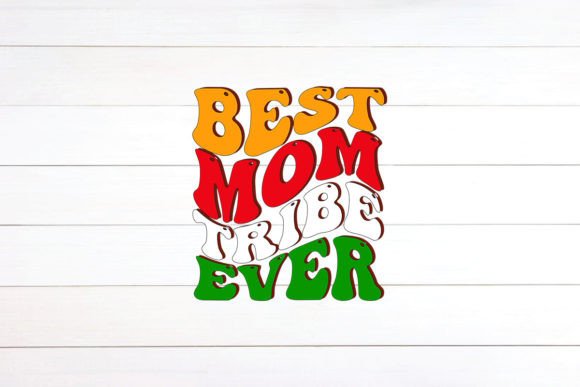
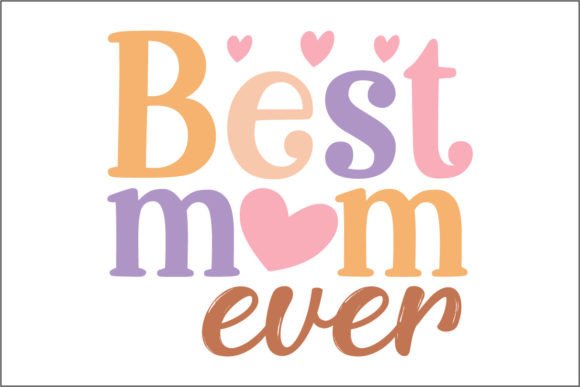
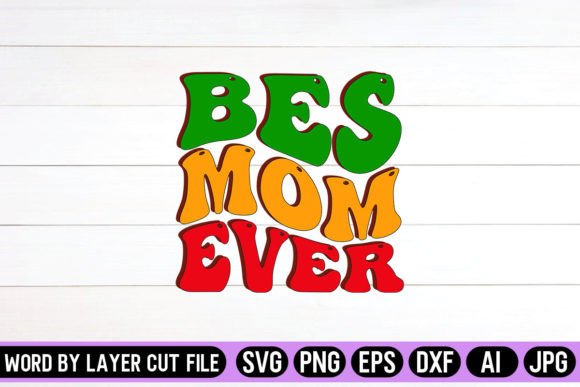
When I open a new embroidery design, I'm not just looking at shapes on a screen. I’m imagining it stitched out, worn, gifted, and displayed. My first click on the Best Mom Ever Retro Design brought a smile. It’s warm. It’s unapologetically sentimental, with that charming, slightly chunky lettering that feels like a hug from the past. The layout is straightforward and bold, which tells me it’s going to translate beautifully into thread.
The Mood It Creates and Where It Belongs
This isn’t a subtle, minimalist design. It’s a declaration. The retro styling—think classic diner signs or vintage sweater lettering—carries a wholesome, authentic vibe. It feels handmade already, which is a fantastic starting point for any embroidery file. This design’s personality naturally leans towards projects where the message is the centerpiece: a custom tote bag for a mom who carries everything, a cozy sweatshirt for a holiday gift, or a sweet baby item like a blanket or bib announcing who loves them most.
I immediately pictured it on a canvas apron, a simple pillow cover for a nursery, or as a standalone embroidered patch to be ironed onto anything. For Etsy sellers and craft business owners, this is a design that sells a feeling. It’s highly giftable and taps into a universal sentiment, which is excellent for small shop product lines around Mother’s Day, birthdays, or just everyday appreciation.
Performance in Real Embroidery Situations
Let’s walk through a real scenario. Say a client requests a custom embroidered tote bag as a wedding gift for the mother of the bride. I’d consider the Best Mom Ever Retro Design a strong contender. The bold letters mean the stitch definition will be clear even on a textured fabric like canvas. The design’s simplicity is its strength for machine embroidery; it’s unlikely to have overly dense fill stitch areas that could pucker heavier fabrics, and the letters are large enough to maintain clarity without needing microscopic running stitch details.
On custom apparel like sweatshirts and t-shirts, I’d lean towards a mid-sized hoop placement—centered on the chest or on a sleeve. The design’s weight gives it presence without overwhelming the garment. For baby embroidery on softer knits, I’d pay extra attention to stabilizer choice to keep the stitches clean on stretchy fabric. This design would also shine on home decor items like kitchen towels or pillow covers, adding a personalized, boutique touch.
Where to Apply a Careful Hand
While versatile, every design has points to consider. The ‘retro’ style here likely means thicker letterforms. On very small hoop sizes, some of the interior curves might become tight, so testing on scrap fabric first is essential. I’d be cautious using it on extremely thin or slick fabrics without a perfect stabilizer match, as bold satin stitch borders can sometimes demand more from the base material.
Working on dark fabric will require thoughtful thread color contrast—a bright, warm palette would keep the sentiment sunny. On curved surfaces like caps, the design’s horizontal layout would need careful placement to follow the curve gracefully. The provided file bundle, including SVG and AI files, is crucial here; being able to visualize and adjust the scale accurately before stitching is key for these trickier applications.
Impact on Your Project and Your Customer
Using a design like this affects more than just the stitch count. It influences visual appeal immediately. The finished product looks confident and crafted, which builds customer trust in your handmade presentation. For a personalized gift, it feels specific and thoughtful, not generic. For a craft business, it offers brand consistency if your line leans towards nostalgic, heartfelt themes.
It’s a design that engages buyers because it speaks directly. On a printable mockup for your Etsy listing, or as a digital product preview for other decorators, its clear message sells the idea quickly. In commercial embroidery for a small boutique’s merchandise, it adds recognizable value without needing explanation.
Practical Notes from the Hoop
Before you load this file into your machine, here’s my standard practice checklist. Always test the design on scrap fabric first, using the same material and stabilizer you plan for the final project. This reveals how the stitch density behaves and if any small details need tweaking.
Check thread color contrast against both light and dark backgrounds. I often create simple black and white mockups to see the pure shape, separate from color influence. Confirm your intended hoop size can accommodate the design at your desired scale—the multiple file formats (PNG, EPS, DXF) help with this pre-stitch planning.
Inspect the design files closely, especially if you plan to adapt it for applique techniques or combine it with other elements. Use proper stabilizer for your chosen fabric texture; a bold design on a flimsy base is a recipe for disappointment. Finally, a non-technical but vital note: confirm the licensing before selling finished items or using it in commercial projects. The description states it’s a digital download only, but understanding the terms for finished product sales is part of professional practice.
The Final Stitch
The Best Mom Ever Retro Design is a robust, emotionally resonant embroidery file. It belongs in the toolkit of decorators and makers who want to produce work that feels genuine and impactful. It’s suited for projects where the message is meant to be seen and celebrated, from a simple tea towel in a farmhouse kitchen to the centerpiece embroidery on a holiday gift sweatshirt.
Its practical performance is straightforward, favoring clarity over complexity, which makes it a reliable choice for a wide range of embroidery projects. By handling the considerations around fabric, scale, and contrast with care, you can turn this digital embroidery file into a finished product that truly earns its name. It’s a design that, when stitched out well, doesn’t just say “Best Mom Ever”—it looks and feels like it, too.